-
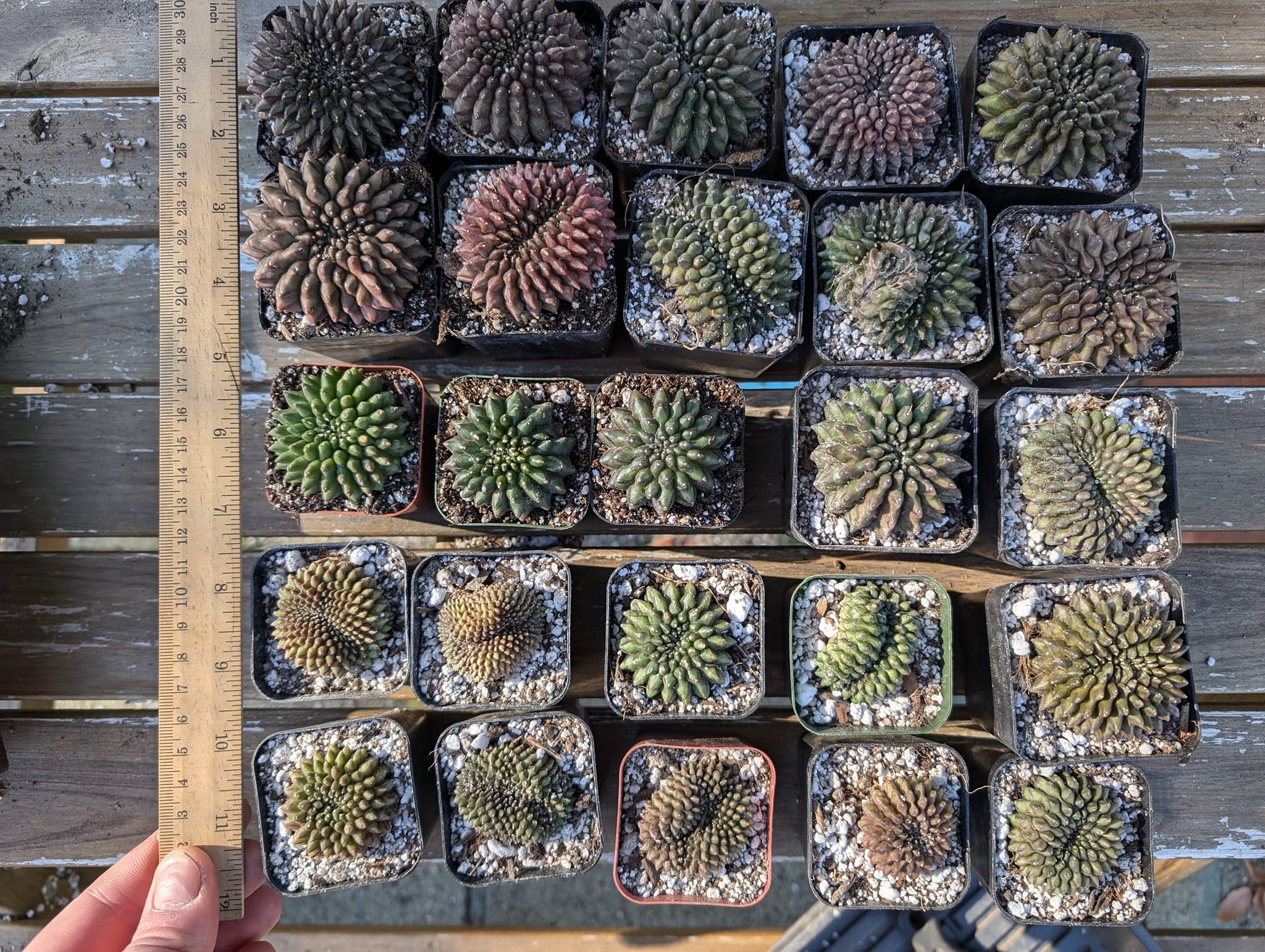
 Astrophytum Asterias - Suber Kabutos
1 × $15.00
Astrophytum Asterias - Suber Kabutos
1 × $15.00
Subtotal : $15.00


 Astrophytum Asterias - Suber Kabutos
1 × $15.00
Astrophytum Asterias - Suber Kabutos
1 × $15.00 Subtotal : $15.00
$20.00
The genus Gymnocalycium is a captivating group of cacti that has enticed botanists and enthusiasts alike with its simple yet intriguing beauty. The history of Gymnocalycium, often colloquially known as “chin cactus” due to the prominent chin-like features below each of their tubercle notches, is one that stretches back to the early 19th century. The genus name itself is derived from the Greek words “gymnos”, which means “naked”, and “kalyx”, which translates to “bud or calyx”, pointing to the external flower buds which don’t have spines or hairs. This naming is attributed to the Austrian botanist Ludwig Pfeiffer in 1845. Pfeiffer’s discovery and subsequent naming initiated a scientific interest in the genus, leading to several expeditions and studies in the regions of Argentina, Bolivia, Brazil, Uruguay, and Paraguay, where they predominantly grow.
50 in stock
Throughout the 20th century, as botanical exploration expanded, numerous species of Gymnocalycium were identified and described, highlighting the rich biodiversity of this genus. They were found to inhabit varied terrains ranging from grasslands, low mountains to dry forest regions, showcasing a high level of adaptability. Each species, with its unique appearance and characteristics, further contributed to the popularity of these cacti in cultivation. The globular forms, often with flattened tops, paired with the vibrant and at times, uniquely patterned flowers made them desirable for collectors. By the latter half of the 20th century, Gymnocalyciums had firmly established their place not just in scientific literature but also in homes and gardens around the world. Their relatively easy cultivation needs, combined with their aesthetic appeal, cemented their status as a beloved genus in the vast and diverse cacti family.
Historically, these cacti have evolved over millions of years, adapting to the harsh, arid climates of their native habitats. Their evolution has endowed them with thick, fleshy stems that store water, enabling their survival in prolonged droughts. Furthermore, the spines they bear not only serve as a deterrent to herbivores but also provide shade to the stem and reduce water loss. In addition to their biological adaptions, Gymnocalycium cacti hold significant cultural value. Indigenous peoples have utilized various cactus species for food, medicine, and spiritual practices for millennia.
The European discovery of Gymnocalycium in the 19th century fueled a burgeoning obsession with cacti collection. As explorers and botanists introduced these exotic plants to Europe, they quickly became a staple in botanical gardens and among hobbyists. Charles Darwin himself took note of various cactus species during his voyage on the HMS Beagle. In modern times, the Gymnocalycium’s popularity endures, with many hybrid varieties bred for specific colors and patterns. Their relatively compact size and resilience make them a favored choice among both novice and experienced plant enthusiasts. Whether admired for their aesthetic appeal, botanical significance, or cultural history, Gymnocalycium cacti stand as a testament to nature’s capacity for adaptation and diversity.
| Weight | 2 oz |
|---|---|
| Dimensions | 6 × 6 × 6 in |
Select at least 2 products
to compare


Reviews
There are no reviews yet.